
The science behind Eyevistar®
Eyevistar® has been evaluated as a complete standardized formulation — in human retinal pigment epithelial cells and in a 42-day diet-induced retinal stress model.
Preclinical findings
62.31%
Increase in ARPE-19 cell proliferation at 500 µg/mL
100.64%
Retinal cell viability after UV-A exposure
68.1 ng/mL
Macular lutein at 10 mg/kg vs 15.5 in control
−66%
VEGF reduction, 588.6 to 202.7 ng/L
Explore the research
Preclinical research
In-vitro ARPE-19 cytotoxicity, proliferation, UV-A photoprotection, A2E and lipofuscin analysis, plus a 42-day in-vivo high-fat-diet model covering carotenoid bioavailability, antioxidant enzymes, stress biomarkers and retinal histology.
Clinical programme
A double-blind, placebo-controlled human study of lutein and zeaxanthin evaluating macular pigment optical density, photostress recovery, glare disability and contrast sensitivity is ongoing.
How the work was conducted
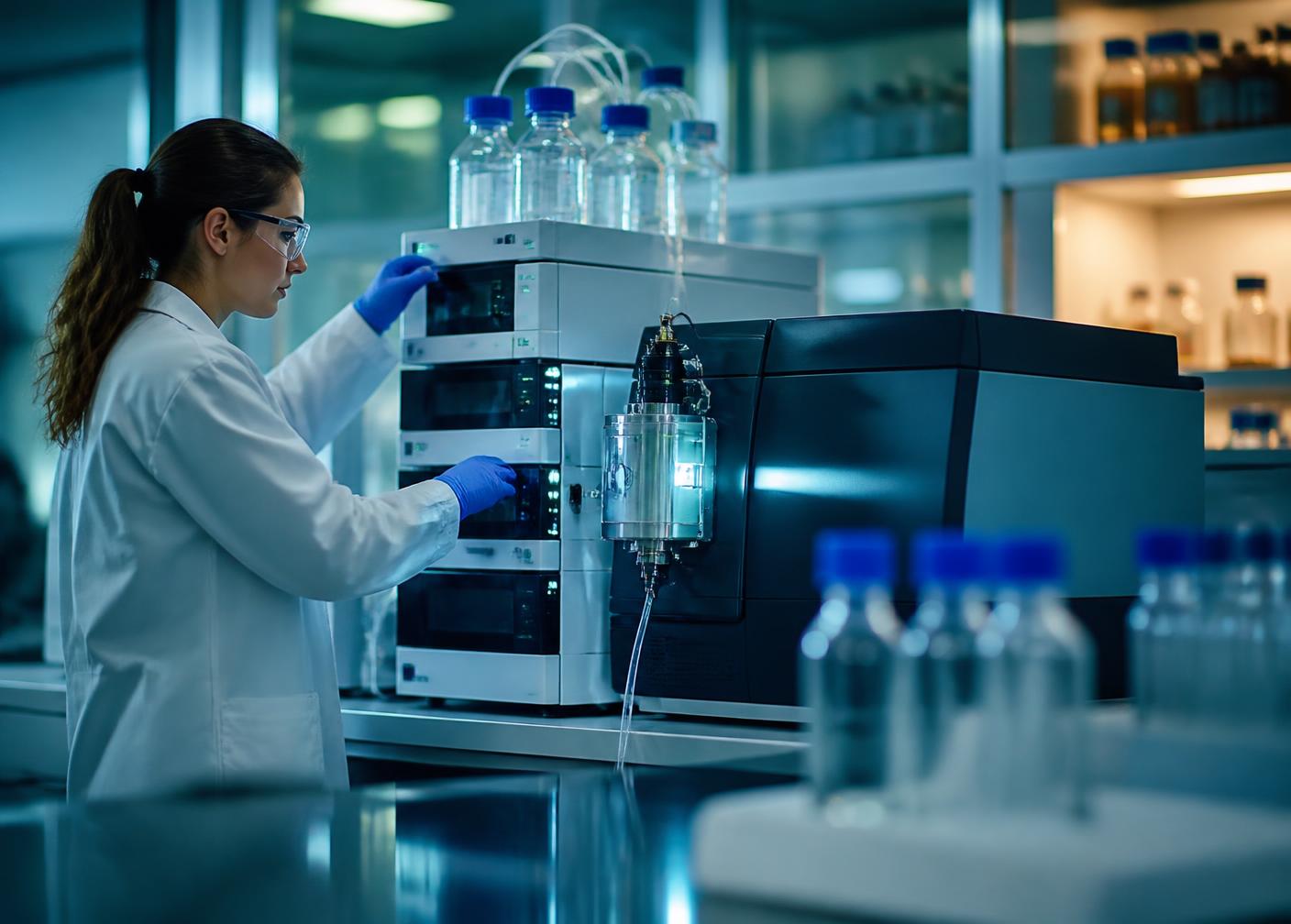
Eyevistar® was tested as the finished standardized extract, not as isolated carotenoids, so the results reflect the material that formulators actually receive. Carotenoid quantification in plasma and macular tissue used LC-MS/MS with calibration at 5, 10, 25, 100 and 250 ng/mL, a limit of detection of 2 ng/mL and a limit of quantification of 5 ng/mL.
Structural evidence was generated by transmission electron microscopy for lipofuscin granules in-vitro and by retinal histology in-vivo.
Request the Eyevistar® research dossier
Detailed study summaries and analytical data are available for qualified partners under confidentiality.